ARM XTreme: The Fabless Revolution in Neural Chips Hits Its Stride
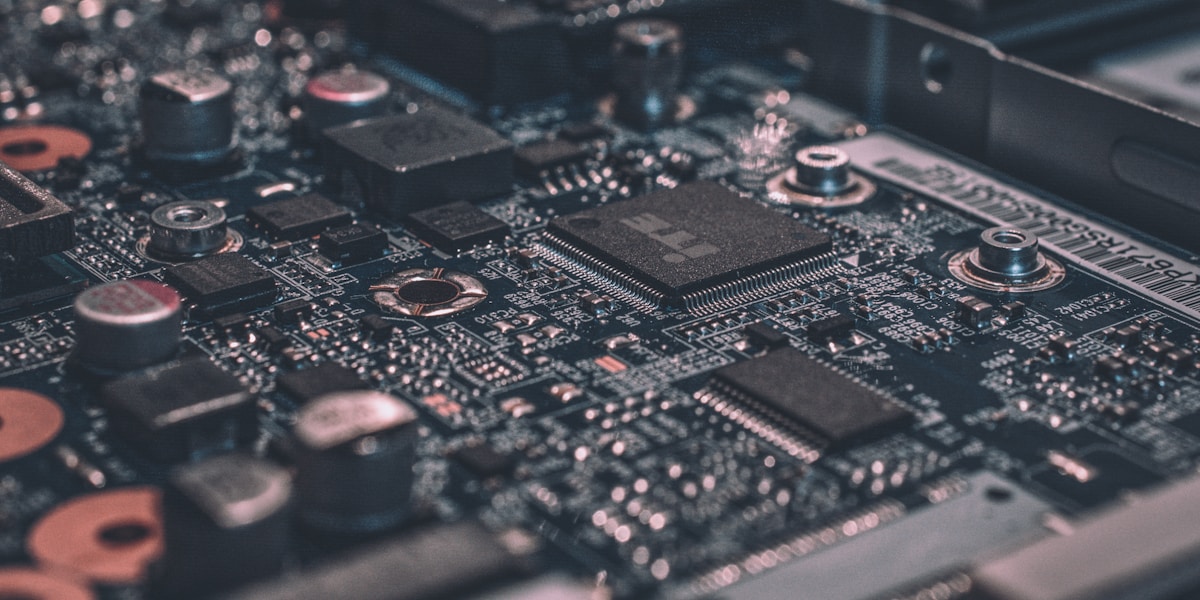
For years, custom AI silicon seemed locked away for hyperscalers or deep-pocketed unicorns. But ARM’s new XTreme IP suite is changing the game, and fast. This is a set of modular, license-ready neural accelerator blocks—think NPU, transformer engines, and ultra-fast SRAM tiles—that any fabless startup (or even an ambitious device OEM) can integrate into their own SoC designs with off-the-shelf EDA flows.
Why Does XTreme Matter?
Most developers have felt the pain of ‘GPU tax’—overpaying for power you don’t need or fighting for allocation. The XTreme IP suite solves the classic trade-off between generality and specialization: you get the efficiency of custom silicon but without the 18-month tape-out death march. Startups are already taping out XTreme-powered chips with lead times under 6 months, and the power/throughput numbers are wild—sub-10W for on-device LLMs and YOLOv10s at 1ms/image.
The Engineer’s Angle
If you’re an engineer at a device startup, this is the first time you can credibly spec custom AI hardware without a billion-dollar budget. XTreme’s toolchain supports mainstream stacks (PyTorch, ONNX, TensorFlow) out of the box. There’s even a flow for LLM sparsity-aware compilation, so your language models don’t waste cycles on dead weights. For edge devices—think robotics, AR glasses, automotive—this is the unlock moment for running real-time, privacy-preserving AI everywhere.
The Bottom Line
XTreme IP is catalyzing a new wave of fabless AI chip startups. If you care about power, performance, or just owning your AI stack, this is a tectonic shift. Watch for more open-source toolchains and domain-specific accelerators to spring up around this ecosystem in the coming quarters.
← More from Reddy Pulse