Samsung’s HBM4E: The Next DRAM Leap Unleashes Generative AI
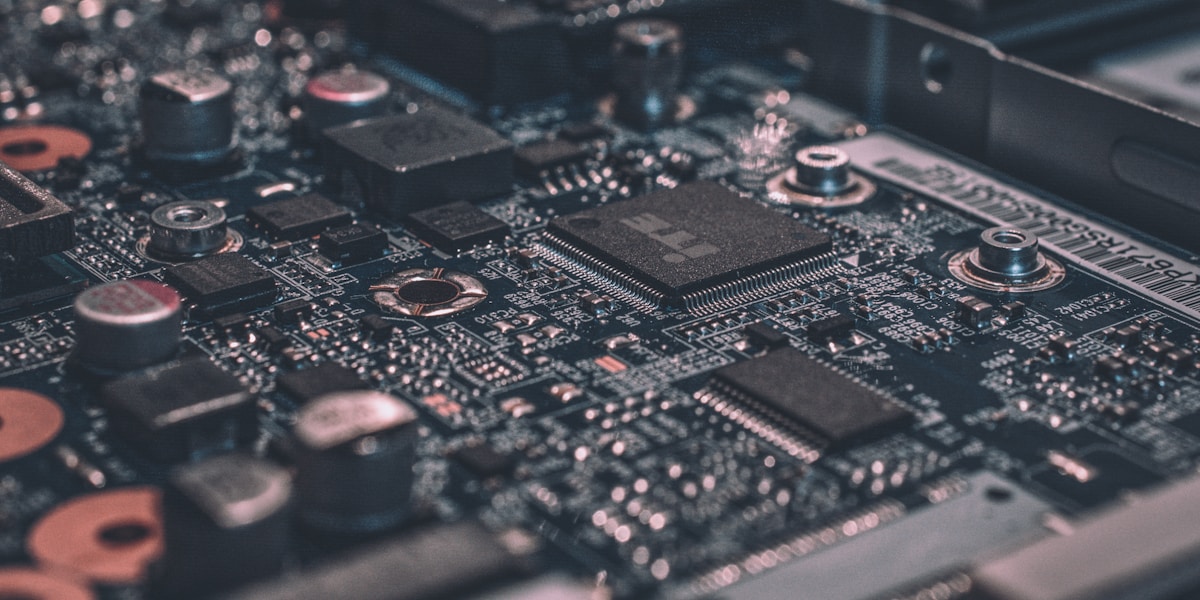
The HBM4E spec from Samsung just set a new performance ceiling for AI memory bandwidth. While HBM3E was only starting to ship in early 2026, Samsung leapt forward, demoing HBM4E modules that deliver 2.4 TB/s per stack, with improved power-per-bit and reliability. Why is this such a game changer?
Bandwidth Bottlenecks Are the Wall
Every time we scale LLMs and GenAI models, the bottleneck moves from compute (think: FLOPS) to memory bandwidth. With 1.5-2.0TB models now routine, AI accelerators like NVIDIA Blackwell or custom ASICs are frequently memory-starved. HBM4E’s bandwidth lets hardware architects push the envelope: bigger transformer models, higher context windows, and real-time video synthesis all become practical, not just theoretical.
What’s New Technically?
- 2.4 TB/s bandwidth per stack (50% over HBM3E)
- Lowered voltage and advanced error correction for reliability at scale
- 16-Hi die stacking, meaning more density in the same footprint
But the most interesting part for engineers is the customizable channel configuration: you can now partition HBM4E stacks for multiple concurrent AI jobs, reducing latency for multi-tenant inference or training. This is the first time DRAM has been architected for true AI cloud workloads, not just raw throughput.
Why It Matters for System Builders
If you’re designing AI inference servers or on-prem clusters, HBM4E is the new baseline. Your accelerator choices will be dictated by who adopts it fastest—expect NVIDIA’s Blackwell Ultra and Cerebras WSE-4 to announce HBM4E SKUs any day. For embedded and edge AI, we’ll probably wait another generation, but the trend is clear: more memory bandwidth, less power per token.
Bottom line: HBM4E isn’t just about speed. It’s about unlocking the next wave of AI model scaling, with engineers finally able to architect for bandwidth-hungry, multi-modal workloads.
← More from Reddy Pulse