Samsung’s HBM4E: AI Memory Bandwidth Goes Supersonic
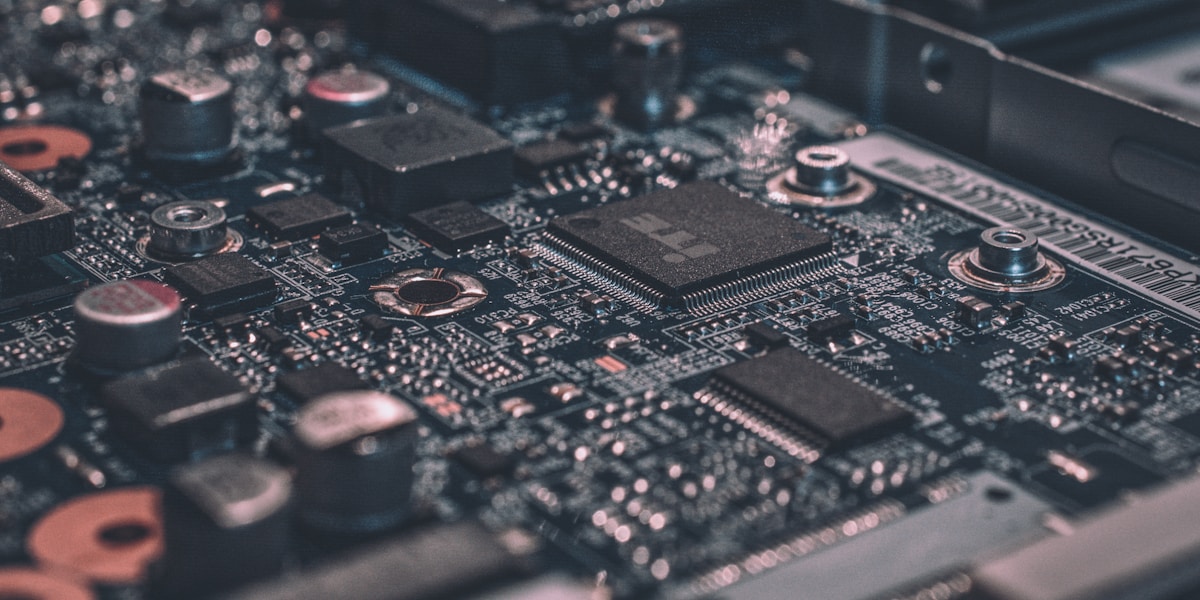
Samsung’s HBM4E (High Bandwidth Memory 4E) is now officially in mass production, and the numbers are wild: up to 2.5TB/s per stack, 36GB density, and more than 30% energy efficiency improvement over HBM3E. Engineers have been waiting for this moment—current H100/MI300-class accelerators are starved for bandwidth as model sizes keep ballooning, but HBM4E finally cracks open the next performance ceiling.
What Changes for Engineers?
Training 1T+ parameter models, serving massive multi-modal LLMs, or running high-resolution real-time diffusion? Memory bandwidth—not raw compute—is the bottleneck. HBM4E stacks mean you can feed the beast, unlock higher batch sizes, and train deeper models without constantly running into data starvation. For inference, it’ll allow for higher concurrency and lower latency on next-gen accelerators—think Nvidia Blackwell Ultra, AMD Instinct G250, and AI ASICs from startups fighting for the hyperscaler market.
The Ecosystem ImpactSamsung’s lead here matters, because early shipments go to the biggest AI players—expect OpenAI, Google, and Meta to scoop up initial runs for their 2027 model training. For hardware engineers designing AI boards or custom inference cards: HBM4E’s increased stack height and thermal output come with new packaging challenges, but also the potential to differentiate on total system performance. This is the kind of change that makes new architectures worth pursuing.
Bottom line: If you care about LLMs, vision models, or edge AI with real-time needs, understanding HBM4E’s capabilities—and design tradeoffs—is now table stakes. We’re at the start of another bandwidth arms race.
← More from Reddy Pulse