Intel’s 1-Ångström Node: EUV Litho Pushes Moore’s Law—But Power Is the Real Battle
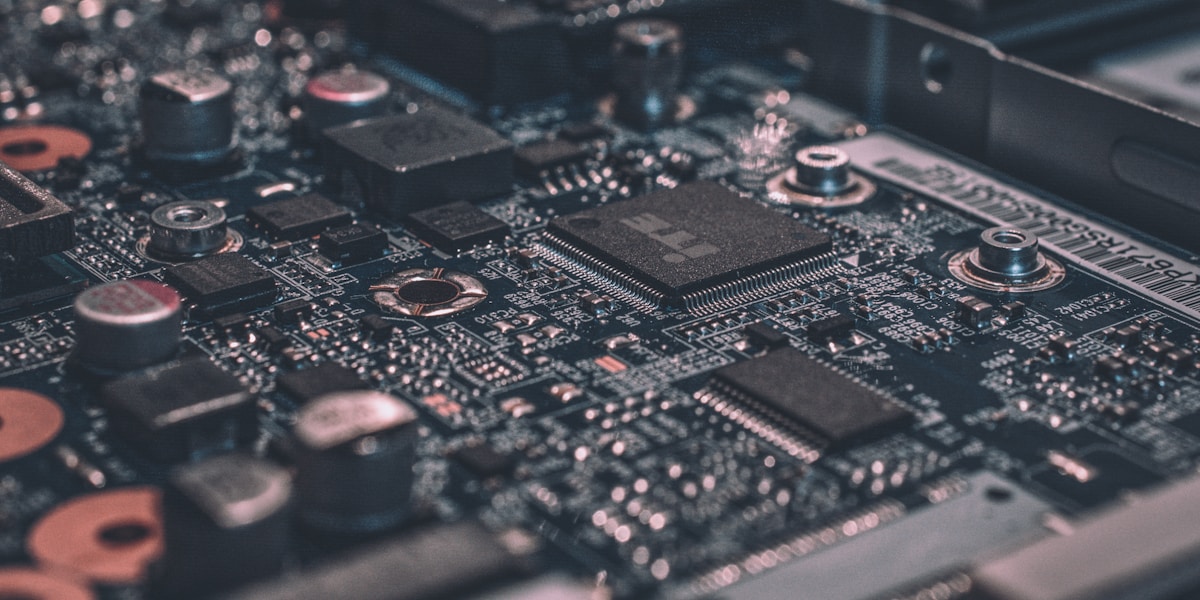
Intel’s announcement of a working 1-Ångström (that’s 0.1 nanometers!) node is a headline grabber, but if you’re an engineer, there’s a more interesting undercurrent: power density versus performance for AI hardware.
Why this matters
Pushing down to sub-nanometer nodes is a technical marvel—ASML’s latest EUV machines are basically science fiction—but the limiting factor for AI inference and training chips isn’t just raw transistor count. It’s thermal envelope and supply chain reliability. Intel is betting on new high-k gate dielectrics and backside power delivery to cram more cores onto each accelerator, but at this scale, even a few extra milliwatts per mm² can tip a data center into meltdown territory.
For engineers, the Ångström node sets the stage for massively parallel AI silicon—think 10x the on-die SRAM, with logic stacked via direct copper-to-copper bonds. But the margin for error is razor thin. Expect even more focus on dynamic voltage scaling, ultra-granular telemetry, and on-chip thermal management.
Bottom line: This milestone might extend Moore’s Law, but if you’re shipping AI at scale, your bottleneck is increasingly power—not compute. The most innovative shops will win by sweating the last joule, not just by buying the latest shiny wafers.