AMD's RAPTOR Architecture: GPU and AI Accelerator Merge for Real-Time, On-Device Learning
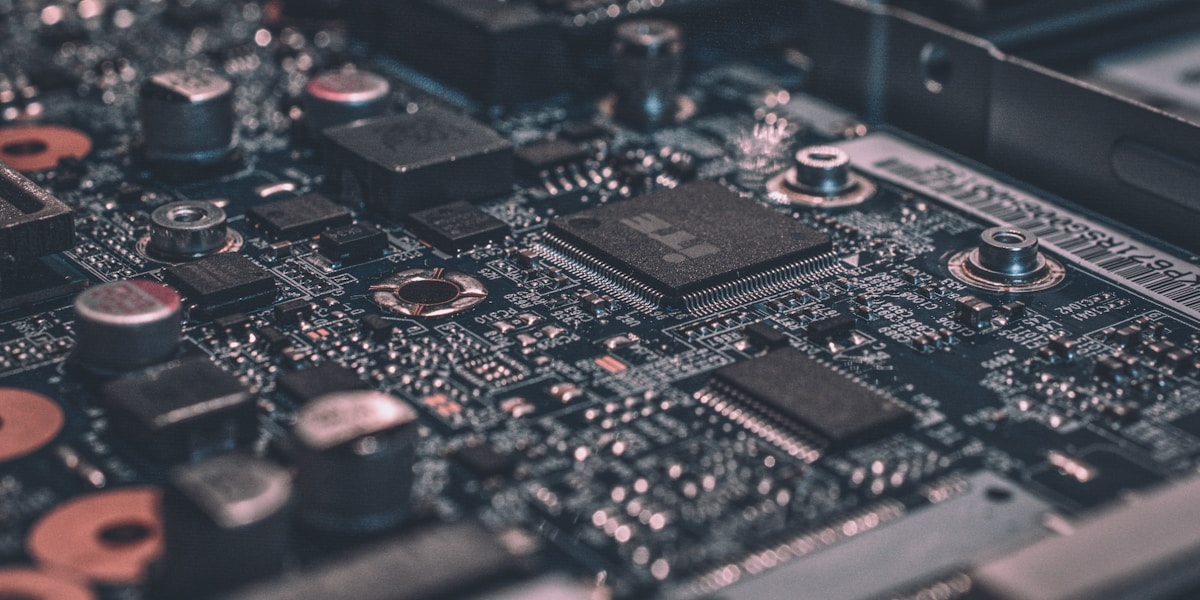
It’s not every year we see a real architectural pivot. AMD’s RAPTOR chips are a bet-the-farm moment: fusing traditional GPU graphics blocks and AI matrix engines, with dynamic power allocation and shared VRAM. Translation: one chip, two formerly separate worlds—no more choosing between graphics cards and AI accelerators.
Why Should Engineers Care?
If you’re building anything that mixes visualization and inference (think: AI video upscaling, AR/VR, real-time physics, edge robotics), you’ve always juggled hardware. RAPTOR lets you run real-time model training and classic graphics workloads, swapping resource allocation on the fly. The on-die interconnect is fast enough for ML models to literally "watch" and adapt to rendered scenes, frame-by-frame. That’s a capability even Nvidia’s current stack can’t match—yet.
Key Technical Bits
RAPTOR exposes a unified memory pool and dynamic scheduler. Developers get new APIs: you can assign a percentage split between graphics and matrix compute, even change it per frame or per batch. For workloads like neural rendering, AI-driven post-processing, or real-time edge analysis, this means latency drops and power efficiency jumps. AMD’s open ROCm stack already supports RAPTOR, so you can start hacking now.
The Bigger Play
For years, AI and graphics have been converging in theory, but fracturing in hardware. RAPTOR could finally make hybrid workloads first-class citizens on consumer and pro hardware. If you’re an engineer betting on ML in AR, robotics, or even game engines—watch this closely.
← More from Reddy Pulse