Apple Cherry M1: On-Package Photonics Comes to Consumer Laptops
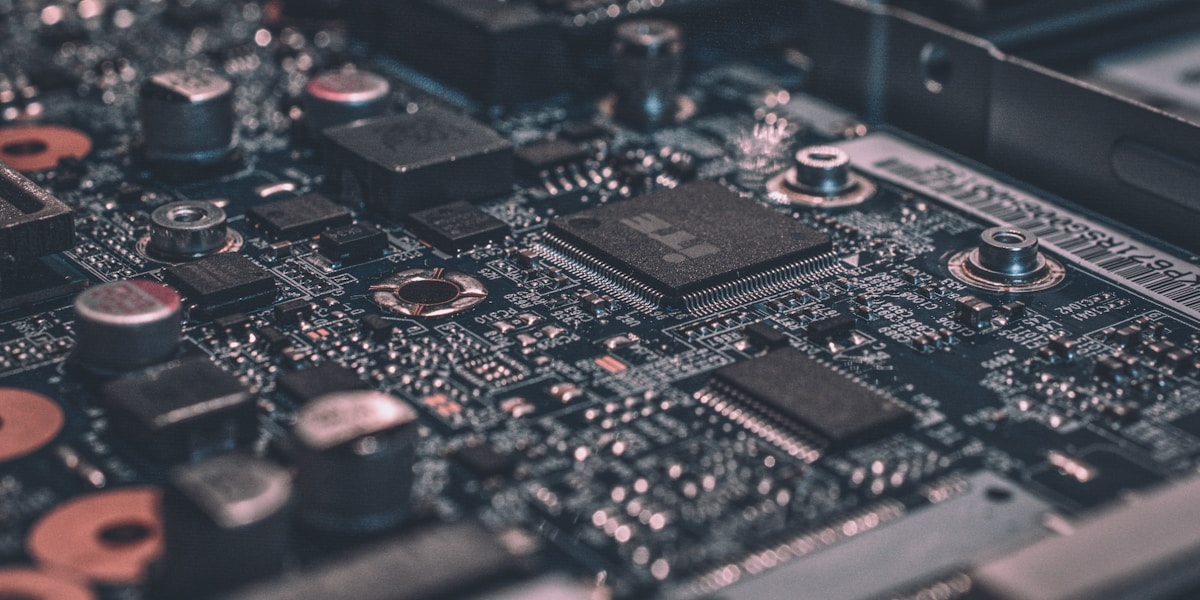
Forget the hype about process nodes for a second. Apple’s Cherry M1, the chip inside this year’s MacBook Pros, is a watershed for a different reason: it’s the first mass-market CPU to use on-package silicon photonics. That means some of its internal I/O — memory channels and the neural engine interconnect — are now handled by light, not electrons.
Why Optical Matters
Optical interconnects aren’t new in datacenters, but integrating them onto an SoC package for a laptop? That’s wild. The payoffs: orders-of-magnitude more bandwidth per watt, no crosstalk, and the ability to scale multi-chip modules without the usual heat nightmares. For AI heavy workloads, especially with models bursting past 100B params, this is the only way forward without melting your lap.
Why Engineers Should Care
This isn’t just a speed boost. It’s a platform shift. We’re going to see new possibilities in realtime AI inference, multi-modal data fusion (imagine your laptop’s audio/video/coprocessors all talking at light speed), and—crucially—a smooth path for chipmakers to scale up without hitting the electrical wall. For software engineers, it means finally treating on-device compute as ‘cloud-light,’ not just a toy for edge ML.
Bottom line: If you work close to hardware or optimize for performance, you need to start thinking about the impact of on-package optics. The next wave of AI-native devices won’t just be faster—they’ll be architecturally different. ← More from Reddy Pulse