More Silicon, More Watts: What Nvidia’s Hopper+, Google’s Axion, and $/Inference Mean for Real-World AI Shipping
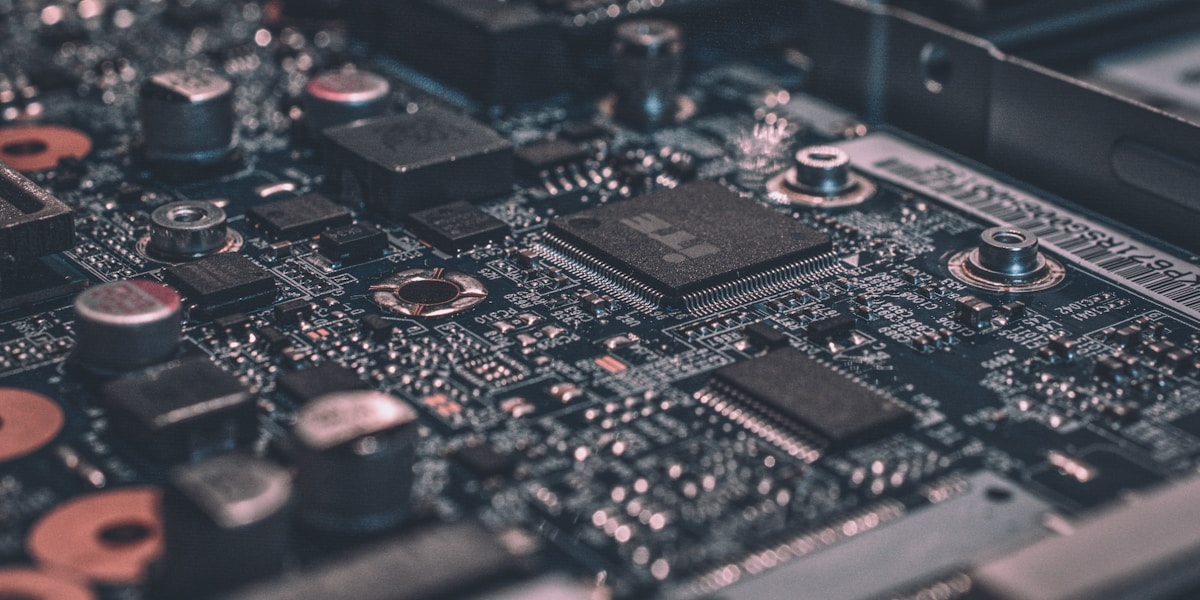
October 2026: GPU headlines are everywhere, but if you’re shipping AI, the real question isn’t just "Can I get H200s or Axions?"—it’s "How are my inference costs and power budgets trending?" Here’s the lay of the land right now:
Latest Silicon: Hopper+, Axion, and the ASIC Squeeze
Nvidia’s Hopper+ chips are shipping in volume, with better perf/watt and bigger context windows. Google’s Axion TPU is tuned for massive LLM inference at lower energy per token. Custom ASICs from AWS and Meta are finally competitive for specific model types. Engineers who can actually select and target these chips—not just "use the cloud"—are shipping more, faster, and (sometimes) cheaper.
Energy Is the New Scarcity
Forget just chip supply chain: it’s now about datacenter power. Big clouds are rationing slots during peak hours, and cost per inference spikes with grid demand. Engineers have to reason about not just latency and throughput, but power quotas—especially for real-time, low-latency apps. This means designing for model quantization, distillation, and even dynamic scaling of model size at runtime. If you’re not watching the energy line in your cost dashboard, you’re missing the real bottleneck.
Datacenter Build-Outs: Still Not Enough
Every hyperscaler is adding capacity, but demand keeps outpacing supply. This affects not just training, but routine inference for anything above "toy" scale. The best engineers are pre-provisioning slots, treating compute as a reserved resource (like reserved instances in the old days), and building fallback paths when premium silicon isn’t available. Tools that surface real-time supply and energy status are moving from "ops detail" to "must-have for engineers."
Bottom line: If you want to ship AI, you need to care about the chips, your power draw, and the realities of cloud allocation. Optimize for it, or you’ll be waiting in the queue—literally and financially.
← More from Reddy Pulse