GPUs, Custom Silicon, and Inference Cost in 2026: What Developers Need to Know
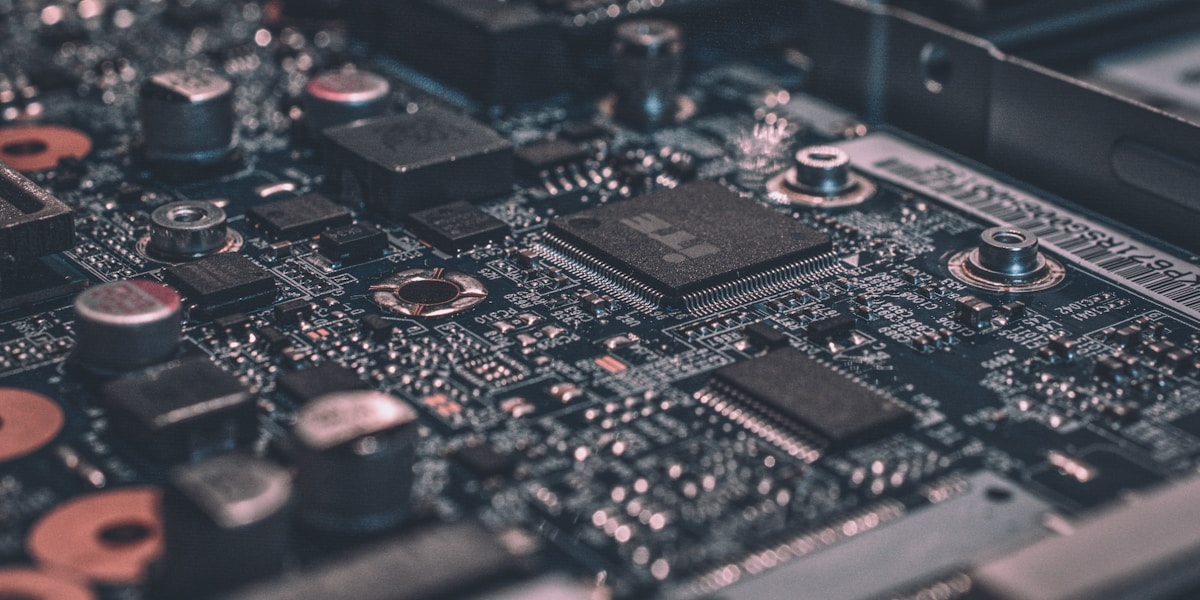
Here’s the uncomfortable reality for AI devs: while Nvidia’s Hopper+ and Google’s Axion have pumped more FLOPs into datacenters, the cost per inference isn’t dropping like it used to. Why? Energy price spikes and grid constraints are now the bottleneck. Even in the Bay, big cloud bills are less about GPU leasing and more about power guarantees and carbon offsets. If you’re launching an AI product in Q4 2026, you have to model energy cost per user—not just how many A100s you can grab.
Custom Silicon and Supply Chain Shifts
TPUs and custom chips from cloud providers are now standard for production inference, but the supply chain is still fragile. TSMC’s latest fabs are live, but 5nm and below wafers stay booked out by the hyperscalers. For us in the trenches, that means higher minimum commitments and more incentive to optimize models early. Quantization isn’t optional; it’s table stakes.
Bare-Metal vs. Cloud: What’s Actually Cheaper?
Some engineers are finally switching back to bare-metal colos for stable GPU/TPU access and predictable pricing. But beware: unless you have real in-house ops, the cost of downtime and patching eats your savings. The smarter teams are using inference-optimized endpoints (think AWS Inferentia2, Azure Maia, Google Axion), then layering aggressive batching and dynamic scaling. Every token you save drops straight to your bottom line.
Bottom line: Silicon’s not the constraint, energy is. If you can ship with a smaller model, you win. If you can’t, you’ll pay—both in cloud bills and in go-to-market delays.
← More from Reddy Pulse