Custom Chips, Energy Squeeze, and the New Inference Math (October 2026 Edition)
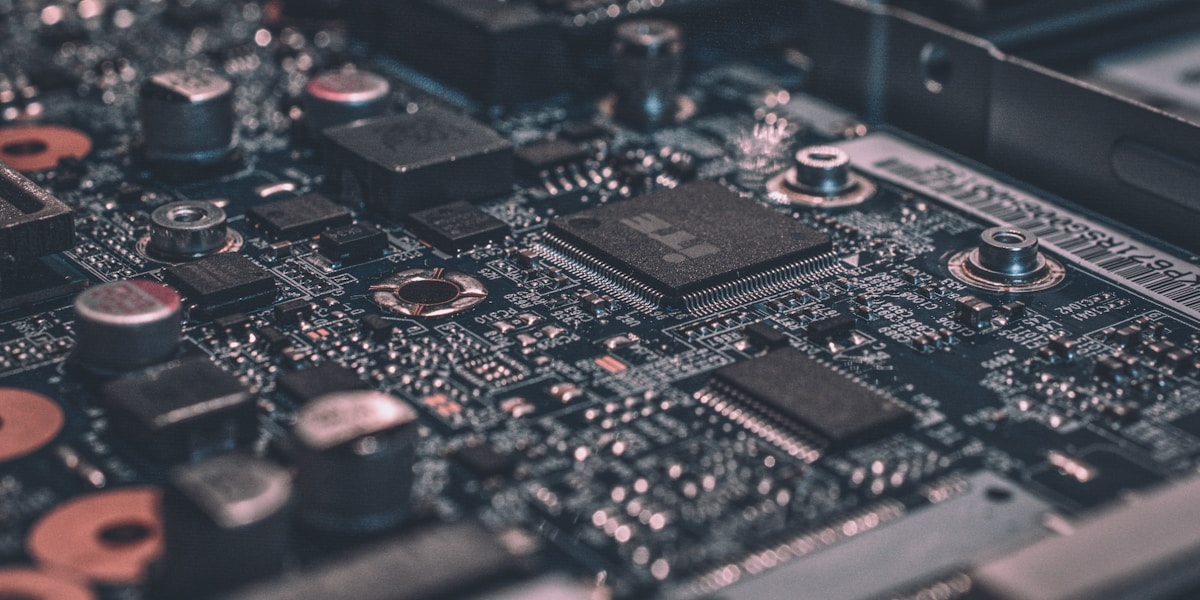
It finally happened: the GPU glut has turned into a targeted famine, but only if you’re not plugged into the right datacenter network. Nvidia’s Blackwell Ultra is technically everywhere, but actual access is bottlenecked by power, networking, and—most stubbornly—energy costs. Custom AI silicon (Google Axion, Microsoft Maia, Meta Artemis) is everywhere, but you need to tailor your stack to even use them.
Custom Chips Mean Custom Stacks
Every hyperscaler now offers their own flavor of LLM-optimized silicon. The catch? Each one comes with weird constraints: tensor layouts, quantization quirks, ops you can’t use if you want maximum throughput. Engineers can’t just ship a PyTorch model and call it a day. The new normal is writing custom kernel shims, tuning model graphs for device quirks, and picking your inference batch sizes based on real-time fleet telemetry.
Inference Cost Isn’t Just $/Token—It’s $/Watt
In 2026, the big cost isn’t just renting silicon, it’s paying for the power envelope. Some clouds (hello, Azure East US 3) are now metering energy as a first-class resource. If your model runs on a less efficient chip, your bill can spike 2x-3x, even if you’re getting “discount” GPU time. This forces engineers to get serious about quantization, distillation, and throughput-aware batching—not just for latency, but to avoid blowing the budget.
The Supply Chain Angle
Silicon shortages are still real for anything below 4nm. The lesson: design for chip availability, not just spec. Have a fallback plan (multi-backend, model shims), or risk being dead in the water when your preferred chip runs dry. If you don’t architect for silicon churn, your AI is one container restart away from a fire drill.
The bottom line: engineers can’t be compute-agnostic anymore. You need to know your chip, your energy profile, and your fallback stack. If you’re not tuning for the realities of 2026 hardware, you’re not shipping AI at scale.